
 Anglais
  Français
Shopping Cart
Tips & Guides
CBD
-
CBD, or cannabidiol, is a chemical compound found in the cannabis plant, without the psychoactive effects of THC. Mainly extracted from industrial hemp, it is used for its many therapeutic properties: pain relief, anxiety reduction, anti-inflammatory effects and treatment of certain forms of epilepsy. Consumption methods include oils, capsules, edibles, creams and vaping. The legality of CBD varies, but it is often allowed if it contains less than 0.2% or 0.3% THC.
-
CBD is produced from cannabis (or hemp) plants. These plants have travelled through the ages to reach where they are today. Hemp was discovered in Central Asia more than ten thousand years ago. This plant has evolved over time and through human use. Originally, it was mainly known for its strong fibres and as food. It was only in the 20th century that humans discovered its benefits. Today, botanically, three main types of cannabis plants are distinguished:
- - Cannabis "Sativa" is a plant from the Cannabaceae family, known for its medical, recreational and industrial uses. It is an annual herbaceous plant with long stems and fine long leaves made up of several toothed leaflets. The plants can reach several metres in height, with branches growing along the main stem. The flowers, grouped in dense clusters, are usually green but can show shades of purple or red, covered in trichomes containing cannabinoids and terpenes. Chemically, cannabis "Sativa" contains more than a hundred active compounds, notably cannabinoids such as THC and CBD, as well as terpenes. THC is the psychoactive compound responsible for the euphoric effects, while CBD is known for its medicinal and non-psychoactive properties. The uses of cannabis "Sativa" are varied: in medicine, it is used to treat chronic pain, nausea, sleep disorders, and it also shows potential in treating epilepsy, anxiety and depression. For recreational purposes, it is consumed for its psychoactive effects, inducing a feeling of well-being and relaxation. Industrially, some varieties are grown for their fibres used in textiles, ropes, paper, and for their seeds, a source of protein and edible oil.
- - Cannabis "Indica", another variety of the cannabis plant, stands out for its physical characteristics and distinct effects. With a more compact and robust shape than its "Sativa" counterpart, "Indica" has broader, darker leaves, shorter stems and dense, resinous flower clusters. Its colours are usually dark green, with some specimens showing leaves of almost blue or green turning to black. Chemically, cannabis "Indica" shares many compounds with "Sativa", but the proportions and ratios can differ, leading to different effects. "Indica" is often associated with higher CBD levels, which can induce more relaxing and sedative effects than its counterpart. Its aromas and flavours are also distinct, often characterized by earthy, spicy and musky notes. Medicinally, cannabis "Indica" is often used to relieve pain, reduce anxiety and promote sleep, due to its relaxing and analgesic effects. For recreational use, it is often chosen for its relaxing and calming effects, ideal for unwinding at the end of the day.
- - Cannabis "Ruderalis" is a less well-known variety of cannabis, but nonetheless fascinating. Originating from the northern regions of Europe and Asia, this subspecies stands out for its resilience and ability to adapt to harsh climates. Physically, cannabis "Ruderalis" is often smaller than its "Sativa" and "Indica" cousins, with thin stems and three-lobed leaves. What makes cannabis "Ruderalis" particularly interesting is its ability to flower based on time rather than the light cycle. This feature, called auto-flowering, means that "Ruderalis" plants automatically start to flower after a certain number of weeks, regardless of day length. This makes it an attractive choice for growers looking for quick and easy harvests. Although cannabis "Ruderalis" generally contains lower levels of THC and CBD than its "Sativa" and "Indica" counterparts, it is sometimes crossed with other varieties to create hybrids with auto-flowering characteristics. These hybrids can be used for recreational, medicinal or industrial purposes, offering a varied range of effect and flavour profiles.
-
THC, or tetrahydrocannabinol, is a chemical compound found in the cannabis plant, scientifically known as delta-9-tetrahydrocannabinol. It is the main cannabinoid responsible for the psychoactive effects of cannabis. In other words, it is THC that causes the feeling of "high" or euphoria often associated with marijuana use.
THC mainly acts on the endocannabinoid system, a cell-signalling system present throughout the human body, which plays a key role in regulating various physiological functions, such as mood, memory, appetite and pain. THC binds specifically to type 1 cannabinoid receptors (CB1) found in large quantities in the brain. This interaction alters the release of neurotransmitters, producing the psychoactive and therapeutic effects of THC.
The psychoactive effects of THC include intense feelings of happiness called euphoria, relaxation and stress reduction, changes in time and space perception, as well as short-term memory and concentration disturbances.
THC has several medicinal properties that are actively studied. It can relieve chronic pain by changing pain signalling in the brain and nervous system. It is effective in reducing nausea and vomiting, particularly in chemotherapy patients. THC can increase appetite, which is beneficial for people with conditions such as HIV/AIDS or cancer. It can also reduce muscle spasms and spasticity, useful in conditions such as multiple sclerosis.
THC can also cause unwanted side effects. It can cause anxiety and paranoia, especially at high doses or in predisposed individuals. THC consumption often leads to dry mouth and red eyes. It can temporarily reduce the ability to form new memories, leading to short-term memory issues. Finally, THC can impair coordination and motor functions, thus increasing the risk of accidents.
The legality of THC varies considerably around the world. In some countries, THC is allowed for medical and recreational use, while in others it is strictly forbidden. For example, in many US states, THC is legal for medical use, and in some, also for recreational use. On the other hand, it remains illegal in many other countries and regions.
THC can be consumed in several ways. Inhalation, by smoking or vaping cannabis flowers or concentrates, allows rapid absorption through the lungs. Eating THC-infused products, such as candies, drinks and pastries, is another common method. Using oils and tinctures placed under the tongue allows rapid sublingual absorption. Finally, THC can be applied directly to the skin in the form of creams and lotions.
In conclusion, THC is a complex compound with varied effects and potential therapeutic applications. Although its use remains controversial because of its psychoactive effects and the variability of its legality, research continues to explore its medicinal benefits and mechanisms of action.
-
Cannabinoids are a class of chemical compounds naturally present in the cannabis plant. They interact with the human body's endocannabinoid system, a cell-signalling system that plays a crucial role in regulating various physiological functions such as mood, appetite, pain and memory. Cannabinoids can be classified into three main categories.
Phytocannabinoids are cannabinoids naturally produced by the cannabis plant. The most well-known and studied are THC (tetrahydrocannabinol), the main psychoactive compound responsible for the "high" sensation, and CBD (cannabidiol), non-psychoactive, known for its many therapeutic properties, particularly anti-inflammatory, anxiolytic and analgesic. Other phytocannabinoids include CBG (cannabigerol), a precursor of other cannabinoids with potential medicinal effects, CBC (cannabichromene), which has anti-inflammatory and analgesic properties, and CBN (cannabinol), a slightly psychoactive THC derivative with sedative effects.
Endocannabinoids are cannabinoids naturally produced by the human body and interact with the endocannabinoid system to maintain homeostasis, meaning internal balance. The two main endocannabinoids are anandamide (AEA), often called the "bliss molecule" because it is involved in regulating mood, memory, appetite and pain, and 2-arachidonoylglycerol (2-AG), which plays a role in regulating cardiovascular and immune system functions.
Synthetic cannabinoids, created in laboratories, mimic the effects of phytocannabinoids. They are used for medical and research purposes, as well as in some recreational products. Some of these synthetic cannabinoids can be much more potent than natural phytocannabinoids, which can lead to unpredictable and potentially dangerous side effects.
Cannabinoids exert their effects by binding to cannabinoid receptors present in the human body. The two main types of receptors are CB1 receptors, mainly located in the brain and central nervous system and responsible for the psychoactive effects of THC, and CB2 receptors, mainly found in the immune system and peripheral tissues, playing a role in modulating pain and inflammation.
Research on cannabinoids and the endocannabinoid system is expanding rapidly, revealing more and more about their role in human health and their therapeutic potential. Discoveries in this field could lead to new treatment options for a variety of medical conditions.
-
Terpenes are a vast class of organic compounds produced by various plants, particularly conifers, as well as by some insects. These compounds are mainly responsible for the aromas and flavours of plants, and they play several essential roles in nature.
Structure and Types of Terpenes
Terpenes are made up of isoprene units, a five-carbon hydrocarbon. Depending on the number of isoprene units they contain, terpenes are classified into different categories: monoterpenes (C10H16) contain two isoprene units, sesquiterpenes (C15H24) contain three, diterpenes (C20H32) contain four, triterpenes (C30H48) contain six, tetraterpenes (C40H64) contain eight, and polyterpenes contain more than eight isoprene units.
Functions of Terpenes
Terpenes play several roles in nature. They protect plants against herbivores and pathogens by acting as repellents or toxins. They also attract pollinators thanks to their pleasant scents. In some insects, terpenes are used for chemical communication.
Human Uses of Terpenes
Humans have found many uses for terpenes. In the pharmaceutical field, some terpenes such as limonene and pinene have anti-inflammatory and antimicrobial properties, and are used for therapeutic purposes. In aromatherapy, terpenes are used for their relaxing or stimulating effects. In the food industry, they are used as flavours and fragrances. Finally, in cosmetics, terpenes are added to personal care products for their pleasant scent.
Terpenes and Cannabis
In cannabis, terpenes play a crucial role by influencing not only the smell and taste of the plant, but also its therapeutic and psychoactive effects. Each strain of cannabis has a unique terpene profile, contributing to its distinct characteristics. In short, terpenes are versatile and essential natural compounds, both for the plants that produce them and for the many human applications in various fields.
-
The endocannabinoid system is a complex network of receptors, endogenous ligands (called endocannabinoids) and enzymes that regulate their production and breakdown. It plays a crucial role in maintaining homeostasis, that is, the balance of physiological processes in the body. Here is a detailed explanation of the endocannabinoid system:
Components of the Endocannabinoid System
Cannabinoid receptors: - CB1: Mainly located in the central nervous system, but also found in some peripheral tissues. They are involved in regulating pain, appetite, memory and mood. - CB2: Mainly found in the immune system and associated peripheral cells. They play a role in modulating the immune response and inflammation.
Endocannabinoids: - Anandamide (AEA): A neurotransmitter derived from arachidonic acid. It mainly binds to CB1 receptors and is involved in regulating mood, appetite and pain. - 2-Arachidonoylglycerol (2-AG): Another important endocannabinoid that binds to CB1 and CB2 receptors, playing a role in regulating immune and inflammatory processes.
Enzymes: - FAAH (Fatty Acid Amide Hydrolase): Enzyme responsible for breaking down anandamide. - MAGL (Monoacylglycerol Lipase): Enzyme responsible for breaking down 2-AG.
How the Endocannabinoid System Works
The endocannabinoid system is activated when endocannabinoids bind to CB1 and CB2 cannabinoid receptors. This triggers various physiological responses aimed at maintaining homeostasis. For example, in response to an injury, endocannabinoids can be released to modulate pain and inflammation.
Roles and Functions
The endocannabinoid system plays a role in many physiological processes, including: - Pain regulation: Endocannabinoids can reduce pain perception. - Appetite control: CB1 receptors in the brain influence hunger and appetite regulation. - Mood modulation: Endocannabinoids can have anxiolytic and antidepressant effects. - Immune function: CB2 receptors modulate the immune response and inflammation. - Memory and learning: CB1 receptors are involved in memory and learning processes.
Interactions with Exogenous Cannabinoids
Exogenous cannabinoids, such as tetrahydrocannabinol (THC) and cannabidiol (CBD) found in cannabis, also interact with the endocannabinoid system. THC mainly binds to CB1 receptors, producing psychoactive effects. CBD, on the other hand, does not bind directly to cannabinoid receptors but indirectly influences the endocannabinoid system by modulating receptor and enzyme activity.
Clinical Importance
Dysfunction of the endocannabinoid system is linked to various conditions, including mood disorders, chronic pain, inflammatory and neurodegenerative diseases. As a result, endocannabinoids and their receptors are potential targets for the development of new pharmacological therapies.
In short, the endocannabinoid system is essential for maintaining physiological balance in the body, regulating vital functions such as pain, appetite, mood and immune response.
-
Laws on CBD (cannabidiol) vary from one European country to another and are also subject to regular changes. Here is a general overview of the situation in Europe and in France:
Situation in Europe:
1. Tobacco Products Directive: In 2016, the Court of Justice of the European Union (CJEU) ruled that CBD was not a narcotic within the meaning of this directive. This paved the way for the legal sale of products containing CBD in many EU countries.
2. National laws: Each EU country is free to adopt its own regulations concerning CBD, which has led to some diversity in legislative approaches.
Situation in France:
1. Legal status of CBD: In France, CBD is considered legal if it is extracted from hemp varieties authorised by the European Union and if its THC content is below 0.3%. Products containing CBD respecting these criteria can be sold and consumed legally.
2. Authorisation of other products: Products derived from CBD, such as oils, capsules, cosmetics and e-liquids, are generally authorised as long as they meet the legality criteria regarding THC level and origin of hemp varieties.
3. Monitoring and controls: French authorities regularly carry out checks to verify the compliance of CBD products with current regulations, particularly regarding THC levels.
It is important to note that CBD legislation can change quickly depending on political and legal decisions, as well as regulatory changes at national and European level. It is therefore recommended to stay informed of the latest legislative news to fully understand the legal framework around CBD in each country.
-
CBD doesn't just settle for a token check-up once a year to look pretty. The frequency of analysis is synced with the production pace: every new batch must strictly prove its credentials. Whether it's raw flowers or processed oils, a visit to an independent laboratory is mandatory before hitting the market.
This rigorous process ensures product safety and absolute legal compliance, specifically confirming that THC levels stay well under 0.3%. In short, if the production run changes, the testing starts over. It’s like a car's vehicle inspection, but much more frequent and without the smell of old diesel. We don’t mess around with cannabinoid traceability!
-
To sleep soundly (and not on a pile of sketchy hemp), CBD analysis is the ultimate judge. Warning: before checking out, always verify the presence of a recent and accessible certificate of analysis. If it’s blurry, there’s a worry! Every serious CBD lab guarantees transparency and product legality.
Our partner brands don't mess around with quality: CBD First uses TM Nature distribution’s analysis lab, Greeneo works with Ambra, and Oihana relies on the IFHA (Institut für Hanfanalytik). Other experts like CBD Oil Europe, Inovalys, Lebexan, IANESCO, the French Hemp Laboratory, LaFleur Services, or Cilab are on the watch. A certified hemp analysis laboratory is your ticket to a clean product!
-
Reading a CBD analysis from a CBD lab isn't rocket science if you know what to look for! First, check the date and the name of the hemp analysis laboratory: a three-year-old report is like expired yogurt—just toss it. The crucial info? The THC level. It must be strictly under 0.3% to stay legal. If it’s higher, you’re playing with fire (and the law).
Also, make sure the CBD concentration matches what’s on your bottle. Warning: never pull out your credit card without seeing these reports! Keep in mind that while purity tests (heavy metals, pesticides) are not always present because they're optional, the cannabinoid profile is the bare minimum for peace of mind. If the document is blurry or missing, run for the hills!
-
To put it simply: yes, it’s a mandatory step! French CBD regulations are very clear: to avoid being classified as a narcotic, a product must display THC levels below 0.3%. Without a precise test, you're basically flying blind in a total legal fog. It's like trying to get through customs with a suitcase that has no tag: it rarely ends in a Happy Ending.
Using an independent laboratory is the only way for a professional to guarantee legal compliance and product safety for both authorities and consumers. This rigorous check ensures that French CBD standards are followed to the letter. In short, analysis isn't just a "bonus" option; it's the diplomatic passport for every batch to circulate legally and with total peace of mind.
-
No room for guesswork: at Travers-Shop, every product is put under the microscope. To ensure impeccable product safety, we only select partners capable of providing certified results from an independent laboratory. This is our essential safeguard to guarantee total legal compliance with French CBD regulations.
In concrete terms, we verify that each batch strictly respects the legal THC level (below 0.3%). We’re a bit like a very picky club bouncer: if the cannabinoid profile isn’t perfectly in order, the product stays outside. This strict and regular control allows us to offer only what meets French CBD standards, with no gray areas or nasty surprises.
-
Transparency isn't a hidden feature. To consult results from an independent laboratory, head to the product page: the analysis is located right below the summary. Look for the symbol (a triangular sign with an exclamation mark in Travers-Shop colors)—that's your product safety beacon.
If you already have your order, no need for a magnifying glass! A QR code is printed on the packaging to verify legal compliance and the cannabinoid profile in one scan. It’s your guarantee of a THC level compliant with French CBD regulations, accessible in a flash. We’re not hiding anything from you, except maybe the last slice of office pizza.
-
Supercritical CO2 CBD extraction is essentially the Rolls-Royce of hemp processing. It uses carbon dioxide heated and compressed into a hybrid state—somewhere between a gas and a liquid. This fluid passes through the plant to capture active molecules with surgical precision. Unlike flammable or toxic chemical solvents, this process is ultra-clean, neutral, and eco-friendly.
It is the ultimate method for preserving the plant's entire original spectrum: we recover cannabinoids and natural aromas intact, without any harmful residues. In short, it extracts the best of nature to guarantee a pure and stable composition. It’s clean, efficient, and ensures your wellness doesn't turn into a failed home science project.
-
Cold pressing is the most "farm-to-table" method for obtaining hemp oil. Think of a traditional olive press: seeds or flowers are mechanically squeezed at low temperatures. Unlike some extraction methods that heat the plant like a curling iron, this mechanical process ensures that no excessive heat degrades the plant’s fragile molecules.
This technique maintains an ultra-natural composition and preserves all the original CBD terpenes and nutrients. You get a raw, authentic product without any chemical solvents. It’s the gold standard for those seeking the full spectrum of hemp with maximum purity. In short, it’s the freshly squeezed juice of the wellness world: simple, effective, and without weird additives.
-
When looking at the endocannabinoid system role and utility, we discover a true biological conductor hidden within our body. It’s not a fashion accessory, but an essential communication network present in all mammals. Its functioning relies on receptors (CB1 and CB2) that capture specific molecules to maintain internal balance, also known as homeostasis.
It acts like a thermostat to regulate vital functions such as sleep, mood, and appetite. Basically, it ensures everything runs smoothly, even when stress tries to create chaos. The interaction with external cannabinoids provides a boost to this network to stabilize your well-being. It’s the guardian of your inner peace, even when your cat decides to run a marathon at 3 AM.
-
The CBD brain effect is radically different from that of THC: it is neither psychotropic nor addictive. Rather than directly hijacking your receptors, CBD acts like a diplomat that smooths the interaction between your own molecules. It modulates brain receptors without saturating them, allowing for the regulation of nerve signals without altering consciousness.
This precise functioning notably influences serotonin, thus playing a regulatory role on mood and stress. This natural process helps soothe mental "background noise" without turning off your alertness. In short, cannabinoids act like a dimmer switch for your neurons: we lower the glare of stress to find clarity again, without ever ending up in total darkness.
-
Hemp is a complex chemical factory. To capture lesser-known active ingredients like CBG or CBC, precision separation techniques are used. cbn production, for instance, perfectly illustrates this process: it arises from the natural aging of other molecules when exposed to oxygen. It’s essentially the "vintage," weathered version of hemp.
The extraction of these rare cannabinoids often relies on chromatography. This functioning allows for sorting the components of the spectrum one by one, like sorting pieces of a giant puzzle to keep only the purest ones. This results in a targeted composition for optimal interaction with your body, without turning your routine into a mad scientist's experiment.
-
Synthetic molecules don’t come from a field; they come from a test tube. Unlike plant extraction, this chemical process involves assembling precursors in a lab to copy the atomic structure of natural cannabinoids. It’s a bit like making a synthetic diamond: the result mimics nature, but it was born from a controlled reaction rather than the earth.
This artificial composition seeks to reproduce the interaction of molecules with our body. However, while nature offers a harmonious spectrum, synthesis creates an isolated copy. Caution is key, as the naturally occurring CBD brain effect is much better tolerated by our internal balance than these lab-grown versions, which can be far more aggressive and unpredictable for our receptors.
-
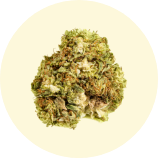
A CBD flower is a miniature ecosystem where every detail matters. Its composition is first visible to the naked eye. The most precious part? The trichomes, those tiny resinous crystals that give it that frosted look. This is where the cannabinoids and cbd terpenes are produced, responsible for woody, earthy, or fruity aromas. It’s like the plant’s own open-air laboratory.
You’ll also find the pistils, those little orange hairs that usually catch pollen. The structure is formed by calyxes, small tear-shaped leaves protecting the heart of the bud. This complete plant spectrum ensures a natural and authentic interaction. In short, if the flower were a rockstar, the trichomes would be its voice and the pistils its sequined stage outfit.
-
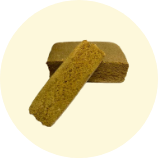
Resin is a cbd concentrate made by isolating the plant's finest elements. Its external composition consists essentially of trichomes—those tiny frosted crystals—separated from the flower and then pressed together. Depending on how it's made, it looks like a malleable, oily brick or a more earthy, crumbly block. It’s basically the "stock cube" of hemp: all the plant's power condensed into a dense texture.
This sifting process preserves a unique aromatic richness. Its color, ranging from pale yellow to deep brown, reflects the purity and maturity of the plant material used. This interaction with the product starts the moment you touch it. In short, if the flower is the fresh fruit, the resin is the artisanal jam: more concentrated, more fragrant, and completely authentic.
-
The cbd brain effect is primarily about balance, without the intoxication associated with THC. Unlike substances that saturate your neurons, CBD acts like a diplomat that facilitates the interaction between your own molecules. It doesn't "short-circuit" your neural pathways; instead, it modulates receptors without altering your perception of reality.
This functioning helps regulate key functions like stress and sleep by sending soothing signals. It's a bit like a sound engineer turning down the "anxiety knobs" to create a more zen atmosphere. Through this natural process, cannabinoids support your brain in staying calm, even when the outside world feels like an uninvited heavy metal concert.
-
Extraction cbd co2 is the gold standard for ensuring total purity. Unlike some methods using chemical solvents like butane or hexane, this process is clean and leaves no toxic residue. At Travers-Shop, our products' composition strictly excludes any additives, preservatives, dyes, or artificial flavors. It’s a bit like choosing fruit from the garden over industrial candy: we want real effectiveness, not chemical makeup.
The functioning of this technique preserves the full range of cannabinoids and the original plant spectrum. This creates healthy molecules for a smooth interaction with your brain and body. In short, we offer hemp in its simplest form. It’s pure, it’s honest, and it saves your system from processing ingredients that belong in a high school chemistry lab.
-
The main difference lies in the concentration and structure of the product. The flower is the raw plant, simply harvested and dried, while the resin is a format obtained by extracting and pressing the plant's resinous crystals. It’s a bit like comparing a bunch of grapes to a concentrated nectar: one is the product in its pure state, the other is its processed essence.
In terms of composition, resin shows a much higher intensity of active principles. This distinction guides your use: the flower is ideal for a lighter approach, while resin provides a more pronounced effect. Regarding the consumption method, both are perfectly suited for use with a vaporisateur cbd. If you are a beginner, we suggest exploring our CBD flowers to gently get to know the plant before moving on to the strength of resins.
-
The main difference between these products lies in their composition and intensity. A natural flower is raw: its cannabinoid levels depend solely on its genetics. Conversely, an enriched flower is a plant base sprayed with extracts to artificially boost its CBD levels. It’s a bit like comparing naturally sweet fruit to fruit dipped in syrup.
In terms of effect, the natural version offers a subtle balance, while the enriched one favors raw strength. For optimal consumption, using a vaporisateur cbd is ideal for savoring your chosen format. If you prioritize purity, discover our CBD flowers for an authentic, additive-free experience.
-
The main difference between these two products lies in the mode de consommation (method of consumption). Oil is taken sublingually, while e-liquid is vaporized. In terms of composition, oil uses a fatty base (hemp or coconut) that is dangerous if inhaled, whereas e-liquid contains a fluid base specifically designed for heat. One is a supplement to ingest, the other a vapor to breathe.
The effet (effect) of oil is longer-lasting, while vapoter cbd (vaping CBD) provides almost immediate intensité (intensity) but for a shorter duration. It’s a bit like comparing a cozy fireplace that heats all evening to a match that ignites instantly. If you need a quick boost, explore our CBD e-liquids. For long-term balance, oil remains the gold standard.
-
The main difference between these two products lies in their texture and maturity. A greasy resin is malleable and sticky because it is bursting with natural oils, while a dry resin is crumbly and sandy. It’s a bit like comparing a rich chocolate spread to cocoa powder: the format changes, but the pleasure remains the same.
In terms of composition, the greasy version is often richer in terpenes. This distinction modifies your usage: greasy requires a bit of dexterity to handle, while dry crumbles effortlessly. Regarding the mode of consumption, both are ideal with a vaporisateur cbd. The overall effect remains balanced, but the intensity of the aromas is often more pronounced in the greasy version. Explore our CBD resins to find your favorite texture.
-
The main difference between these two methods lies in the medium and the equipment. For vaping, an e-cigarette loaded with a fluid liquid is used: it’s a practical and discreet format for on-the-go consumption. Conversely, using a vaporisateur cbd to heat raw flowers or resins is a 100% plant-based mode de consommation (method of consumption). It’s a bit like comparing a processed fruit juice to a fresh fruit picked from the tree.
In terms of composition, e-liquid is a prepared blend, while the flower is raw. This comparison also highlights a different intensité (intensity): raw plants often offer a more complete effet (effect). If you are looking for the experience closest to nature, explore our CBD flowers for an authentic session.
-
No, CBD is not considered dangerous. The World Health Organization (WHO) has confirmed that this molecule poses no risk of abuse or toxicity. Unlike THC, cannabidiol is absolutely not psychoactive: it does not get you high or impair your faculties. It’s a bit like decaf coffee for cannabis: the flavor and relaxation are there, without the nervous jitter.
Its safety also relies on legislation, which mandates a maximum of cbd 0.3 thc to prevent any narcotic effects. The intended effect is purely physiological (relaxation, recovery). It is therefore far removed from recreational cannabis. Just ensure the natural origin of your products to avoid unwanted additives.
-
CBD is primarily a natural molecule, extracted from the flowers of cannabis Sativa L. Unlike synthetic CBD made in a laboratory, standard cannabidiol is a pure product of the earth. It’s a bit like comparing a garden rose to a plastic flower: one has a living complexity, the other is just a frozen, artificial copy.
In terms of legislation, this natural product must respect a maximum legal rate of 0.3% THC. This effect is guaranteed non-psychoactive, which highlights the major CBD/THC difference. By choosing natural, you avoid chemical residues for a healthy and authentic relaxation. It is the assurance of well-being that respects your internal balance without involving test tubes.
-
No, scientifically and legally, CBD is not a drug. Unlike THC, this molecule extracted from cannabis is absolutely not psychoactive: it provides no high or addiction. It’s a bit like comparing chamomile tea to an explosive cocktail: one helps you unwind, the other makes you lose control.
From a legislation standpoint, the cbd cannabis difference is clear: to be authorized, the product must show a THC rate below 0.3%. The intended effect is purely physiological, focused on relaxation and recovery. The WHO has also confirmed its safety. In short, CBD is a natural origin wellness ally, completely safe and far removed from narcotics.
-
Yes, but only in infinitesimal trace amounts. To comply with current legislation, any legal cannabis product must strictly respect a maximum of cbd 0.3 thc. This derisory legal rate ensures that the molecule will have no psychoactive effect on you. It’s a bit like a shandy: a symbolic trace of alcohol remains, but it’s not enough to make you lose your way.
This CBD/THC difference is fundamental for your safety. The plant's natural origin means these two cannabinoids often coexist, but the rate is so low that it presents no danger. In short, THC is present only to support the benefits of CBD without ever taking control of your mind.
-
The most striking CBD/THC difference lies in their impact on your mind. Although both molecules come from cannabis, THC is psychoactive: it alters consciousness and creates a "high." CBD, on the other hand, is absolutely not psychoactive. It’s a bit like comparing a high-energy rally driver (THC) to a passenger enjoying the scenery in total relaxation (CBD).
Regarding legislation, the legal rate is strict: hemp is authorized only if it contains less than 0.3% THC. Although their plant origin is identical, the effect produced is opposite. In short, the thc vs cbd match-up pits recreational intoxication against clear-headed, safe relaxation.
-
Properly storing your CBD is first and foremost about protecting its properties. For optimal conservation cbd, treat your flowers or oils like fine wines: they hate direct light, high temperatures, and excessive humidity. A cool, dry, and dark cupboard is the perfect spot. It’s a bit like a vampire: in the sun, your product loses all its strength and glory.
Ideal stocking is done in an airtight glass jar to prevent oxidation. These conditions help maintain quality and prevent the degradation of aromas and benefits. By following these rules, the storage duration can reach six months to a year without major loss. In short: keep it cool, dry, and in the dark so it stays in peak condition.
-
Light, air, and heat are the sworn enemies of your products. These elements trigger a premature degradation of cannabinoids and terpenes. For successful conservation cbd, imagine your flower is an old photograph: leave it in the sun or open air, and its colors (its aromas and effects) will inevitably fade away.
UV rays break down molecules, while oxygen causes oxidation that impairs overall quality. Finally, high temperatures dry out and deplete the product. The ideal storage conditions involve an airtight jar placed in a cool, dark spot. By protecting the product from these stressors, you extend its duration of effectiveness and preserve its full potential.
-
Once opened, the storage duration of your product generally varies between 6 months and 1 year. It is a bit like a bag of specialty coffee: as soon as air gets in, the freshness timer starts. To maintain the original quality, the secret lies above all in the airtightness of your jar or bottle.
Ideal stocking must be done in an airtight container to limit oxidation. Without these conditions, humidity and light trigger a progressive degradation of the active compounds. For successful cbd storage, keep your products away from thermal shocks. After a year, the product does not expire in the strict sense, but it loses its potency. Trust your senses: a radical change in smell is often a sign that it is time to refresh your stock.
-
The shelf life of a CBD product is generally 6 to 12 months. Think of it like a precious spice: it doesn't become dangerous with age, but its effectiveness fades. Optimal conservation cbd allows you to keep the plant's benefits intact for as long as possible. The secret? Protect your products from external aggressions to stabilize quality.
To limit the degradation of cannabinoids, ideal conditions require stockage away from light, heat, and humidity. An airtight glass jar kept at a constant temperature is perfect. If the appearance changes or the smell becomes unpleasant, the molecules have likely lost their battle against time and oxygen.
-
Choosing your flower is a bit like choosing a tomato: it all depends on the gardener! Outdoor cultivation (open-air) lets the plant flourish under the real sun. It is the most natural method, yielding a robust hemp with a raw character, though subject to the whims of the weather.
In contrast, indoor cultivation (indoors) allows for total control over growing conditions (light, humidity, CO2). Think of it as a five-star palace for premium final quality and explosive aromas. In between, greenhouse growing uses natural sunlight while protecting the plants, offering a perfect middle ground.
Finally, the hydroponic method replaces soil with nutrient-rich water. It is high-precision engineering to boost CBD production. Regardless of the method, success relies on a harvest at peak maturity and a controlled drying process to preserve the plant's properties.
-
The harvest of CBD is a bit like a grape harvest: timing is everything! We observe the trichomes—those tiny crystals on the flower—to cut at the peak of their maturity. Once the hemp flowers are selected, the crucial cbd drying stage begins. Imagine hanging bouquets of flowers in a dark, cool, and ventilated room to gently remove moisture without altering the molecules.
After this phase, we move on to trimming, which involves removing unnecessary leaves to keep only the heart of the plant. Finally, the transformation ends with curing: an aging process in jars, similar to a fine wine or a good cheese, to stabilize the quality and allow the aromas to fully express themselves before the final use.
-
Cbd drying is the stage where patience truly becomes a virtue. The most traditional method is "upside-down" drying: the entire plant or its branches are hung in a dark, ventilated room. It is a bit like drying a bouquet of flowers, but with strict control over temperature and humidity to prevent mold and preserve quality.
Some producers also use flat drying nets, which saves space while ensuring even air circulation around the hemp harvest. This slow transformation phase, which usually lasts one to two weeks, is crucial for the production to retain its terpenes. Drying too quickly would ruin the aromatic profile, while a successful dry ensures an exceptional final quality.
-
The "best" method depends on what you are looking for, but for optimal final quality, indoor cultivation remains the gold standard. It is a bit like cooking in a chef's kitchen: you control everything, from temperature to light intensity. This level of precision allows the plant to express its full aromatic potential without the stress of pests or storms.
However, cbd hemp cultivation using hydroponic methods or greenhouses also yields excellent results by combining technology with natural light. The key is not just the growing method, but the care taken during transformation. An excellent harvest can be ruined without slow drying and meticulous curing. In short, the best CBD is the one that has been pampered from start to finish.
-
For outdoor cbd hemp cultivation, it all starts in the spring! Seeds are generally planted between April and May, once the frost no longer risks turning your young sprouts into ice cubes. The plant then takes advantage of the summer growth to strengthen and develop its flowers under the sun.
The harvest period arrives between September and October, as soon as the days get shorter. This serves as the biological signal for the vegetation. A good grower monitors maturity like a watched pot to guarantee the final quality. Once cut, the production begins its transformation with drying and curing. Indoors, these dates no longer apply: the gardener decides the weather and the production schedule all year round.
-
For cbd hemp cultivation, there are three main schools of thought, each with its own unique character. The outdoor method is the most rustic: the plant grows in open fields, at the mercy of the weather, offering an authentic and eco-friendly product. In contrast, indoor cultivation takes place inside under clinical control of light and temperature. It is the gold standard for expert-level final quality, safe from pests.
The ideal compromise remains the greenhouse method, which combines the benefits of the sun with the protection of a shelter. Finally, hydroponics relies on soil-free technology to maximize production. Regardless of the method, the secret to success lies in patience during the harvest and the drying phase.
-
The time it takes for you to feel the sensations primarily depends on your method of consumption: it's a bit like choosing between a high-speed train and a local one. With inhalation or sublingual (under the tongue) use, the interaction with the body is almost immediate, with the first signals perceived within 5 to 15 minutes. This is the "fast-track" option for an instant relaxation need.
However, keep in mind that the peak intensity typically occurs between 30 and 90 minutes after intake. If you consume it via digestion, the cbd effect duration will take longer to fully manifest. Your metabolism and your last meal are factors influencing the effects. In short, start slowly and give your body time to reach the top of the wave before judging its effectiveness.
-
Approaching the subject of synthetic cbd requires nuance. Unlike natural molecules derived from hemp, lab-created versions can have a more unpredictable interaction with the body. Generally speaking, the sensations can last between 2 to 6 hours, but this window varies greatly depending on the chemical structure of the molecule and your own metabolism.
The intensity and duration also depend on the method of absorption. While the peak of relaxation might feel powerful, it can also drop off more abruptly than with a natural extract. At Travers-Shop, we like to compare it to a firework: it’s bright, but sometimes less stable than a steadily burning candle. It is therefore essential to stay mindful of your own factors influencing the effects to ensure your usual balance.
-
This is the question on everyone’s lips! Knowing for thc dans le sang combien de temps (how long THC stays in the blood) it remains requires distinguishing between testing methods. In the blood, traces are fleeting: generally count between 2 to 8 hours for occasional use, though this can stretch if you are a regular user. It’s a bit like coffee breath: it fades quickly, but the interaction with the body leaves traces elsewhere.
For saliva tests, the duration varies from a few hours to several days. The true champion of retention is the hair, where the passage can be marked for several months. Your metabolism, frequency of consumption, and body fat percentage are all factors influencing the effects and detection. At Travers-Shop, we advocate for transparency: every body cleans house at its own pace.
-
The cbd effect duration is all about timing, and for many, it stretches between 4 to 8 hours! It’s a bit like a smartphone battery: depending on usage and power, the energy fades faster or slower. If you opt for oil under the tongue, the interaction with the body is sharp, while ingestion (via a meal) offers a more diffused and lasting sensation over time.
The intensity of this relaxation also depends on several factors influencing the effects: your weight, metabolism, and the dose consumed act as the conductors. At Travers-Shop, we often remind people that there is no universal rule: every organism reacts in its own way. The key is to listen to your feelings to find your own pace of calm, from the first minute to the eighth hour.
-
Cannabigerol, or cbg effet (cbg effect), is often nicknamed the "mother molecule" because it is the precursor to other cannabinoids. Unlike CBD, which focuses entirely on decompression, CBG stands out for an interaction with the body that is more oriented toward balance and mental clarity. It is a bit like the conductor of the hemp orchestra: it doesn't aim to put you to sleep, but rather to harmonize your overall state.
The sensations are often described as a sense of calm that helps maintain focus against daily stress. Its action on the endocannabinoid system is direct, which can influence the intensity of its benefits on physical comfort. Naturally, your metabolism and the dosage are factors influencing the effects. At Travers-Shop, we appreciate it for its ability to provide relaxation without drowsiness.
-
Yes, CBD is primarily known for being an excellent cbd relaxant. Its interaction with the body is not meant to "knock you out," but rather to promote a general state of peace. Imagine your stress is an unpleasant background hum: cannabidiol helps your brain turn down the volume to find balance, without any psychotropic effects.
The sensations of this relaxation can help unwind the tensions accumulated throughout the day. However, the intensity of this effect varies depending on your metabolism and the chosen consumption method. The duration of this calm moment depends on many factors influencing the effects, such as your personal sensitivity. At Travers-Shop, we see CBD as a well-deserved little "pause" button for your body.
-
cbd sommeil (cbd sleep) is a major topic, and for good reason! Unlike drastic solutions, cannabidiol doesn't work like an "OFF" switch. Its interaction with the body aims instead to prepare the ground by promoting deep relaxation. It’s a bit like CBD tidying up your mental desk before closing: by soothing stress, it can facilitate a smoother transition toward falling asleep.
The general sensations are often associated with better quality rest, as a relaxed organism is less prone to nighttime awakenings. Of course, the intensity of this effect and its duration depend on your metabolism and your routine. At Travers-Shop, we like to say that CBD can help transform your brain into a comfortable little cloud rather than a calculator at 2:00 AM.
-
Cannabidiol is often explored for its potential to soothe discomfort. Indeed, using an huile cbd douleur (cbd pain oil) is frequently associated with a sense of relief and muscle relaxation. Unlike traditional solutions, it doesn't act as an anesthetic, but its interaction with the body can help modulate how physical tension is perceived.
It’s a bit like CBD is placing tiny invisible cushions wherever your body feels "creaky": it can promote better recovery and a return to calm. The intensity of its benefits and their duration depend, however, on your metabolism and the method of consumption. At Travers-Shop, we remember that every organism is unique and that factors influencing the effects vary from one user to another.
-
CBD is not a stimulant, but it can indirectly help with concentration. By acting on cbd stress, it helps clear the "mental noise" that disrupts your attention. Imagine your mind is a poorly tuned radio: cannabidiol helps stabilize the frequency so you can finally hear the music. This interaction with the body promotes a state of balance conducive to work.
The sensations of clarity depend on the overall calming of your organism. If you are less distracted by anxiety, your brain naturally becomes more efficient. The intensity and duration of this effect vary according to factors influencing the effects such as your metabolism and the chosen dose. At Travers-Shop, we see CBD as an ally that sets the stage for productive relaxation and calmer focus.
-
Caution is the parent of safety when it comes to cbd synthétique (synthetic cbd)! Unlike natural hemp extracts, these lab-created molecules can have a much more unpredictable interaction with the body. It’s a bit like comparing a garden apple to a chemical candy: the sensations can be far more jarring, and the intensity of side effects (dizziness, nausea) is significantly more pronounced.
The major risk lies in the purity and stability of the product, which can impact the duration of effects in unusual ways. Your organism better recognizes what comes from the earth. At Travers-Shop, we always prioritize natural balance for serene relaxation. Vigilance remains the best shield against undesirable effects caused by these lab copies that shake up your brain.
-
cbd synthétique (synthetic cbd) can indeed exhibit a strong psychoactive character, unlike natural CBD. While plant-derived molecules aim for relaxation without altering your faculties, lab-created versions can have a much more aggressive interaction with the body. It is a bit like comparing a light breeze to an industrial wind tunnel: the intensity of the sensations can tip over into unexpected psychotropic effects.
These chemical copies disrupt the brain artificially, increasing the risk of confusion or side effects. The duration of these disturbances depends on your organism, but caution is highly recommended. At Travers-Shop, we prefer the gentleness of authentic hemp to soothe your stress safely, without turning your mind into an uncontrolled carnival ride.
-
cbn sommeil (cbn sleep) is often nicknamed the "sleep molecule" for a simple reason: its origin. Cannabinol (CBN) is created through the natural oxidation of THC over time. Rest assured, it loses its psychotropic properties and gains unique relaxing virtues. This interaction with the body is renowned for promoting intense relaxation, ideal for preparing the body for falling asleep without the "stoned" effect of THC.
The general sensations are those of a gentle disconnection, helping to calm the stress that often delays rest. The intensity and duration of this effect, however, depend on your metabolism and the dosage. At Travers-Shop, we often compare CBN to a nightlight for your organism: it doesn't force a shutdown, but it signals to your brain that it's time to close out the day.
-
Cannabidiol is generally very well tolerated, but it is not a magic potion without any reaction. A cbd relaxant can sometimes lead to mild effects such as a dry mouth, slight drowsiness, or changes in appetite. It’s a bit as if your organism decided to switch to "impromptu nap" mode while you were planning a marathon: the intensity of the sensations will mostly depend on your personal sensitivity.
This interaction with the body is influenced by factors influencing the effects such as dosage or your own metabolism. The duration of these minor inconveniences usually remains short. At Travers-Shop, we always recommend starting slowly to give your brain time to adjust to this new bubble of relaxation without disrupting your usual balance.
-
The effet cbd cerveau (cbd brain effect) and its impact on the body can be explained by a fascinating encounter with your endocannabinoid system. Rather than forcing a reaction, CBD acts like a traffic controller: it helps your organism find its natural balance. In the brain, it promotes a soothing of stress without any euphoric effect, while in the body, it often accompanies a welcome muscle relaxation.
The general sensations are typically those of a restored sense of serenity. This interaction with the body does not last indefinitely; the intensity and duration of the benefits depend on factors influencing the effects such as your metabolism. At Travers-Shop, we see it as a software "reset": we don't change the computer, we just close the unnecessary tabs that are slowing down your system.
-
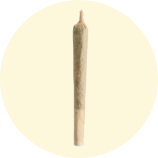
Recognizing a high-quality pre roll cbd is a bit like choosing a good sandwich: what matters is what's inside, not just the wrapper. The primary criterion is the composition: a premium product contains ground flower rather than leaf or stem residues (known as "trim"). The odeur (scent) should be distinct and natural as soon as you open it, a sign of a terpene-rich flower and preserved pureté (purity).
The aspect (appearance) of the roll must be uniform to guarantee an even burn. You should also check the origine (origin) of the hemp and the availability of independent laboratory analyses to verify cannabinoid levels. A texture that is too dry is often a sign of an aged product. At Travers-Shop, we value transparency so that your ressenti (experience) always meets your expectations.
-
Identifying a high-quality flower is a bit like choosing a fine coffee: it's all about sensory richness. The primary criterion is the odeur (scent): it should be complex and pungent (woody, fruity, or earthy), a sign of preserved terpenes. The aspect (appearance) is just as crucial: look for dense flowers displaying crystalline trichomes and vibrant colors, avoiding shades that are too brown or dull.
The texture must be balanced—neither too dry (crumbling into dust) nor too damp (risk of mold). A premium flower breaks with a slight snap. Finally, always check the origine (origin) and laboratory analyses to ensure the pureté (purity) and legal composition of the product. At Travers-Shop, we ensure that every bud provides an authentic and natural ressenti (experience).
-
Finding a quality resin is a bit like choosing the right cheese: it’s all about the nose and the feel. To properly recognize an exceptional hash, first rely on its texture: it should be malleable and soft under the warmth of your fingers, without crumbling like dry sand.
The visual aspect matters too: the color should be consistent, ranging from sandy yellow to deep brown depending on the pressing. The smell must be bold, earthy, or spicy, without any chemical notes. Regarding composition, purity is guaranteed by the hemp's origin and a rigorous analysis certifying the absence of pollutants. If you are looking for a more discreet alternative to the traditional joint cbd, explore our range of CBD resins to discover authentic flavors and optimal concentration.
-
The most economical forme CBD is found in raw products such as fleur or résine. It’s a bit like buying coffee beans rather than capsules: the cost per gram is unbeatable, especially for those seeking high intensité without breaking the bank. These formats offer a full entourage effet and great freedom of utilisation, whether for classic consumption or for infusing your own carrier oils at home.
Conversely, huile or gélule, while more expensive upfront, guarantee rapidité d’action and optimal biodisponibilité with precise dosing. For a specific besoin related to cbd sommeil or stress management, investing in a processed form can prove more efficient in the long run. The cbd le plus efficace for your wallet thus remains raw material, provided you appreciate its natural aspect and authentic puissance.
-
The most natural forme CBD is undoubtedly found in raw fleur, which preserves the plant in its original state without industrial processing. It’s a bit like biting into an apple rather than drinking a processed juice: you benefit from the full spectrum of terpenes and cannabinoids. This fleur cbd puissante—or potent CBD flower—allows for an authentic utilisation for those seeking a full entourage effet and an unfiltered intensité.
However, the choice depends on your besoin: while raw plant material appeals with its purity, huile or infusion are often preferred for managing insomnie or stress with more gentleness. A gélule will offer a more discreet absorption, but with a different biodisponibilité. In summary, if your priority is 100% plant-based, flowers win the match, while processed products offer a rapidité d’action and dosing precision better suited for beginners.
-
The cbd le plus puissant—or most potent CBD—is generally found in résine and fleur, as these raw formats naturally concentrate a high level of cannabinoids. It’s a bit like comparing a ristretto to a long coffee: you get maximum intensité and a full entourage effet. These forms are ideal for those seeking immediate puissance and authentic utilisation, while remaining an economical option for regular users.
However, raw strength isn't everything: sublingual huile offers superior rapidité d’action and optimal biodisponibilité for managing a stress spike. For insomnie, an infusion or a gélule will be more suitable, as the slow absorption allows for a lasting release throughout the night. In summary, while the botanical forme CBD wins on pure concentration, oil remains the most effective for precise dosing tailored to your specific besoin.
-
The élimination of CBD and THC by the organisme varies radically according to your consumption profile: it’s a bit like a bathtub that takes longer to drain if it’s constantly being refilled. For a one-time utilisation (first time or almost never), THC traces generally disappear within 24 to 48 hours in a saliva test. For an occasional consumer (once a week), the durée of detection can extend up to 3 or 4 days depending on metabolism and general santé.
In contrast, for a regular consumer, storage in fatty tissues prolongs the élimination: a thc test salivaire can remain positive from 8 days to several weeks after stopping. Regarding légalité and réglementation, pure CBD clears faster (about 2 to 5 days), but précaution remains key. In case of grossesse or an interaction with medication, professional advice is essential, as every body processes these molecules with its own specific rapidité.
-
No, it is not necessary to present a cbd ordonnance—or prescription—to buy or consume CBD in France. Current réglementation allows for the over-the-counter sale of these products as long as their THC levels comply with the légalité in force (less than 0.3%). It is a bit like choosing a wellness plant or a dietary supplement: you have the freedom to select your preferred format without going through a medical office, while benefiting from a secure framework for your santé.
However, a major précaution is required as CBD is not a medication and cannot replace a prescribed treatment. Its presence in the organisme can lead to an interaction with certain treatments, modifying their élimination or effect. For safety reasons, particularly during grossesse, breastfeeding, or heavy medical follow-ups, consulting a professional remains the best course of action to ensure responsible and risk-free use.
-
CBD is by no means a médicament and can in no way replace a prescribed medical treatment. Although its légalité is established in France, the products available on Travers-Shop are not therapeutic substitutes. It is imperative for anyone following a medical protocol to seek the advice of their treating physician before any consumption. This is an absolute safety rule: CBD is a wellness aid, not a prescription.
Strict précaution is required because CBD can cause a cbd interaction with certain molecules within the organisme, altering their élimination or effectiveness. This risk also concerns santé during grossesse or breastfeeding. The réglementation is clear on this point: the status of a common consumer product does not allow for any medical claims. Your treatment remains the priority; CBD is merely a comfort supplement whose use must be validated by a healthcare professional.
-
The use of cbd grossesse—or CBD during pregnancy—is strictly discouraged as a précaution, as current scientific data does not rule out an impact on fetal development. Although CBD is not a médicament, it enters the organisme and can cross the placental barrier, acting like an uninvited passenger whose long-term effects are still poorly understood. The santé of both mother and child remains the top priority, and health réglementation favors total abstinence during this period.
Furthermore, an interaction with other treatments is possible, and its passage into breast milk also makes CBD prohibited during allaitement. The légalité of the product does not guarantee its safety for vulnerable populations. Before any utilisation, it is imperative to consult a santé professional for personalized medical advice. Your doctor is the only one qualified to evaluate the potential benefits and risques according to your specific situation.
-
The use of cbd grossesse—or CBD during pregnancy—is strictly discouraged as a précaution, as current scientific data does not rule out an impact on fetal development. Although CBD is not a médicament, it enters the organisme and can cross the placental barrier, acting like an uninvited passenger whose long-term effects are still poorly understood. The santé of both mother and child remains the top priority, and health réglementation favors total abstinence during this period.
Furthermore, an interaction with other treatments is possible, and its passage into breast milk also makes CBD prohibited during allaitement. The légalité of the product does not guarantee its safety for vulnerable populations. Before any utilisation, it is imperative to consult a santé professional for personalized medical advice. Your doctor is the only one qualified to evaluate the potential benefits and risques according to your specific situation.
-
The dépendance cannabis associated with recreational use is primarily caused by THC, a molecule that intensely activates the brain's reward system. By inducing marked effets psychoactifs, THC prompts the body to seek this state again, creating a form of accoutumance where a higher fréquence of usage becomes necessary to feel the same sensations. It is a bit like a clockwork mechanism that gets out of sync: the brain eventually adjusts to this artificial stimulation and struggles to find its natural balance without the substance.
Conversely, CBD is distinguished by its absence d’effet planant—or lack of a high—which explains why it does not trigger this addictive cycle. While it does not replace medical follow-up, CBD is sometimes appreciated for easing the ritual of consommation during withdrawal. It is essential to differentiate behavioral habits from true chemical addiction to better understand how each molecule interacts with our system, while remaining mindful of one's own consumption patterns.
-
There is no scientific evidence demonstrating that cbd cannabis serves as a gateway to illegal recreational cannabis. In reality, the mechanism is often the opposite: due to its absence d’effet planant—or lack of a high—CBD is frequently used to reduce problematic consommation. The risk of switching to illegal products depends more on the individual and their social context than on the molecule itself. Unlike THC, which triggers effets psychoactifs sought for intoxication, CBD acts on well-being without altering perception.
One could compare this to switching from decaf coffee to strong coffee: it is not the "decaf" that creates the craving for an espresso, but the personal need for stimulation. Regular utilisation of CBD does not lead to chemical accoutumance, unlike the dépendance associated with THC-rich cannabis. To understand this major distinction, you can consult our guide on the difference between CBD/THC to adopt an informed and responsible usage, while monitoring your own fréquence of consumption.
-
A cbd addiction does not exist in the medical sense, as this molecule does not cause physical or chemical dépendance. Unlike THC, CBD is characterized by an absence d’effet planant—or lack of a high—and does not compulsively stimulate the brain's reward circuit. This can be compared to the habit of drinking a herbal tea every evening: it is a soothing wellness ritual, a consommation habit, rather than a biological necessity that would cause physical illness upon withdrawal. The World Health Organization has confirmed that pure CBD shows no potential for abuse.
However, a psychological accoutumance to the ritual may appear depending on the fréquence of usage. While CBD often helps during tobacco or cannabis sevrage, it should not replace professional support in cases of severe addiction. The key is to remain in control of your usage while enjoying the relaxing effets of the molecule without experiencing the risks associated with the effets psychoactifs of illegal cannabis.
-
CBD is often used as a support during smoking cessation or in efforts to reduce a dépendance cannabis rich in THC. Unlike this illegal substance, CBD is distinguished by its absence d’effet planant—or lack of a high—and does not stimulate the reward circuit in an addictive manner. It acts somewhat like a comfort substitute: it allows one to maintain the consommation ritual and soothe the body without causing effets psychoactifs or new chemical accoutumance.
Its usage can thus facilitate the transition by mitigating the irritability associated with withdrawal, but it does not constitute a medical treatment. The success of quitting depends on the fréquence of use and individual motivation. It is essential to remember that CBD is not a miracle cure for addiction, but rather a wellness tool. For heavy or complex withdrawal, support from a health professional remains the indispensable précaution to ensure a lasting and secure cessation.
-
The availability of products from culture biologique—or organic farming—on Travers-Shop depends on the specific standards of each partner brand. For instance, the brand Oihana prioritizes a 100% biologique approach to ensure impeccable qualité des matières premières. Conversely, manufacturers like Greeneo or CBD First do not systematically claim the cbd bio label, but they do apply rigorous méthodes de production. they strictly monitor the use of authorized substances to achieve high-end results and a clean composition.
This requirement for traçabilité and the intensity of the contrôles performed on each batch explain the variation in prix between ranges. The origine of the plants and the extraction processes directly influence the final cost, much like a fine vintage. Our priority remains transparency regarding production to offer you optimal qualité, whether the product is certified organic or comes from highly regulated sustainable farming.
-
The availability of products from culture biologique—or organic farming—on Travers-Shop depends on the specific standards of each partner brand. For instance, the brand Oihana prioritizes a 100% biologique approach to ensure impeccable qualité des matières premières. Conversely, manufacturers like Greeneo or CBD First do not systematically claim the cbd bio label, but they do apply rigorous méthodes de production. they strictly monitor the use of authorized substances to achieve high-end results and a clean composition.
This requirement for traçabilité and the intensity of the contrôles performed on each batch explain the variation in prix between ranges. The origine of the plants and the extraction processes directly influence the final cost, much like a fine vintage. Our priority remains transparency regarding production to offer you optimal qualité, whether the product is certified organic or comes from highly regulated sustainable farming.
-
The origine of the products available on Travers-Shop is primarily focused on production cbd France and origins from Italy, two countries renowned for their expertise and the qualité des matières premières. Depending on the brand, méthodes de production vary: Oihana relies on a complete culture biologique—or organic farming—while Greeneo and CBD First favor sustainable farming. These brands carefully select authorized substances to ensure a high-end composition and optimal safety.
This geographic and technical diversity ensures exemplary traçabilité through rigorous laboratory contrôles. The final prix thus reflects the standard of qualité required, offering consumers safe and effective products, whether they come from biologique agriculture or highly selected conventional sectors.
-
The prix cbd—or CBD price—varies primarily based on the qualité des matières premières, the chosen variety, and the final form of the product. Much like coffee or wine, the méthodes de production directly influence the cost: an indoor culture biologique, which is more demanding, will carry a higher price tag than outdoor farming. The geographic origine and the complexity of the extraction processes required to guarantee a pure composition also play a major role in this pricing structure.
The traçabilité and the rigor of laboratory contrôles ensure a premium qualité, justifying the gap between a standard product and a high-end one. Every step, from culture to bottling, is optimized to provide safety and efficacy, explaining why prices faithfully reflect the level of expertise and care dedicated to each batch.
-
The primary use of a vaporisateur cbd is to heat flowers or resins without reaching the combustion threshold, offering a healthier and more efficient alternative to traditional smoke. It is the ultimate méthode for releasing the full potency of cannabinoids and preserving all terpenes, thus ensuring the best possible flavors. For its utilisation, simply place the ground product into the device to obtain pure vapor. This technique ensures a near-immediate rapidité d’effet with maximum intensity.
The dosage is precise because each puff restores the plant's raw aromatic profile. The durée of the sensation is optimal, making vaporization the premium choice for those who demand the most complete effet. Discreet and effective, this device allows you to consommer your products healthily, avoiding harmful substances linked to combustion while sublimating the quality of the CBD.
-
The best way to vapoter cbd is to use a specific cigarette électronique cbd, as this méthode through inhalation offers superior bioavailability compared to ingestion. For its utilisation, simply fill your tank with the e-liquid and opt for a low power setting (between 10 and 15 watts) to avoid degrading the molecule. This approach ensures a near-instant rapidité d’effet, which is ideal for managing sudden stress or a need for quick relaxation.
The dosage should be adjusted gradually to find the perfect balance for your needs. The major advantage lies in the discretion and ease of being able to consommer your CBD throughout the day. Unlike an infusion, the durée of action is shorter, but the effet is much more immediate, providing precise control over your well-being.
-
To remain perfectly hypocritical while stroking the law the right way, we should officially tell you that the best utilisation for this pre roll cbd is to let it steep quietly in a cup of hot water with a fat source, like a common grandmother's chamomile. This is the méthode of ingestion preferred by regulatory texts: one does not smoke, one "enjoys" an infusion, conveniently forgetting that the product is already perfectly rolled for something else entirely.
However, the reality of inhalation via combustion offers an unbeatable rapidité d’effet for those seeking an immediate dosage. Yet, let's not kid ourselves: smoking remains a toxic practice that clogs your lungs with tar and carbon monoxide. While the relaxation effet is instantaneous, the risk to your health is very real. To consommer your CBD without playing with fire, always prefer vaporization, which is far less devastating than traditional combustion.
-
Vaporization is the best méthode to consommer a flower, as it allows you to savor the product without self-sabotaging your lungs through combustion. For its utilisation, simply grind the flower and heat it in a vaporisateur herbe at around 180°C. It is the ideal option for those who want the immediate effet of inhalation without the guilty pleasure of clogging themselves up like an old industrial chimney. The rapidité d’effet is lightning-fast, offering instant relaxation where an infusion would make you wait an hour before feeling a thing.
The dosage is simple: inhale, relax, and appreciate the durée of the sensation. It is the perfect vice for the aesthete who wants intensity while remaining (slightly) healthier than the neighbor smoking their joint cbd with full lungs.
-
The most effective méthode for consuming a resin is to vaporiser cbd using a device specifically designed for concentrates. For its utilisation, simply crumble a small amount of material into the heating chamber: it is the perfect vice for purists who want maximum intensity without ending up with the lungs of a 19th-century coal miner. This inhalation technique heats the resin without burning it, preserving its powerful aromas and ensuring near-instant rapidité d’effet.
The dosage is easy to adjust to your needs, offering a longer durée of relaxation than traditional flowers. While ingestion via an infusion is possible when paired with a fat source, vaporization remains the premium choice to consommer your resin while avoiding the toxic substances linked to the combustion of a joint cbd.
-
The ideal timing for consuming cbd sommeil—or CBD for sleep—depends radically on your chosen form: allow 30 minutes for sublingual oil, 1 to 2 hours for ingestion of capsules or gummies, and expect an almost immediate rapidité d’effet when choosing inhalation for flower, resin, or pre-rolls. It is the perfect vice for those who prefer to fine-tune their relaxing descent into oblivion with surgical precision. For the utilisation of an infusion, plan for 45 minutes to give your stomach time to realize it actually has to work.
Adopt a cautious progression: start with a small quantité and observe the effets on your tolérance before increasing the dose. As part of your précautions, remember that slow adaptation is key to avoiding an unwanted vegetative coma before you even hit the pillow.
-
The ideal dosage cbd—or CBD dosage—depends on your weight and tolérance, but varies by method: count 1 to 3 drops for oil, one unit for capsules or gummies, and a standard 2g dose for an infusion (often pre-dosed). For utilisation via inhalation, aim for a surgical quantité of 0.1g to 0.3g for your flowers or resins. It is the perfect vice for the aesthete who wants to drift just enough without ending up as a couch potato. Progression is key: start low and observe the effets for 1 hour after ingestion, or immediately for a pre-roll.
It is crucial to space each dose by 4 to 6 hours to let your metabolism breathe. As part of your précautions, remember that a surdosage cbd won't kill you, but it will grant you the vitality of a sedated sloth. Remain the master of your gradual adaptation.
-
Yes, cbd animaux—or CBD for pets—is perfectly usable for our four-legged companions, provided you use THC-free products. For a peaceful utilisation, the dosage must be strictly calculated based on the animal's weight: it is the ideal vice to calm Fido without turning him into a decorative living room rug. Progression is vital; start with a tiny quantité (one drop per 5kg) and observe the effets on their tolérance for several days before any adaptation.
The timing of administration depends on the goal, usually 30 to 60 minutes before a stressful event. As part of your précautions, a veterinary opinion remains essential to avoid any accidental surdosage cbd that would make your cat more lethargic than a rainy Sunday. Be precise, stay patient, and respect your pet's unique physiology.
-
It is entirely possible to increase your dosage cbd—or CBD dosage—if the initial results aren't quite there, provided you do so with surgical progression. The golden rule is to adjust the quantité in small increments every 3 to 5 days, giving you time to observe the actual effets on your system without prematurely turning into a lethargic mollusk. It is the perfect vice for those who love self-optimization without ending up in an unsolicited relaxing coma.
The timing of your adaptation is crucial: do not double your dose on a whim after only 20 minutes of waiting. Your tolérance is unique, and skipping steps could lead to a surdosage cbd—which is not life-threatening, but rich in intense drowsiness. As part of your précautions, stay tuned to your body and prioritize a slow increase to stabilize your well-being without any hiccups.
-
It is entirely possible to incorporate CBD into your cuisine cbd—or CBD cooking—provided you respect some basic rules of physics. For a successful utilisation, ensure you do not heat the material above 180°C, or your precious cannabinoids will evaporate before you even get to the tasting. Regarding dosage, progression is key: start with a small quantité in fatty bases (butter, oil) to facilitate absorption. It is the perfect vice to transform a boring family meal into a moment of absolute relaxation, without actually poisoning your mother-in-law.
The timing must be considered, as ingestion delays the effets by 1 to 2 hours depending on your digestion. As part of your précautions, test your tolérance on a small portion before serving a feast that could plunge your guests into an unwanted collective nap. Stay measured to avoid any harmless but slightly overwhelming surdosage cbd.
-
If you have consumed trop de cbd—or too much CBD—the first thing to do is to rest in a quiet place and stay well-hydrated to help your system. Although a surdosage cbd is not fatal, the effets can be overwhelming (extreme drowsiness, dizziness): ideally, stay with a sober person who can look after you. It is the classic beginner's vice who confused serenity with a sloth-like coma; in this case, timing is your only ally while the molecule is being metabolized.
As part of your ultimate précautions, if you feel physical or psychological distress that seems dangerous, never hesitate to contact the fire department or emergency services. For the future, a surgical progression is essential: drastically reduce the quantité during your next utilisation. Your tolérance is unique; respect it so that your dosage remains a pleasure rather than a source of anxiety.
-
During a roadside check, the main risk associated with CBD consumption lies in the saliva test, which detects THC and not the CBD itself. Although CBD is legal, many products on the market contain traces of THC (the legal threshold being 0.3%). Depending on your metabolism, consumption frequency, and product quality, these micro-amounts can accumulate in the body and trigger a positive drug screening.
In the event of a positive cbd saliva test, authorities typically proceed with a blood analysis to confirm the presence of psychotropic molecules. As with certain medications, it is recommended to remain cautious before driving, as legislation and road safety do not immediately distinguish between recreational use and the use of wellness hemp products.
-
The legality of CBD within the European Union is based on a common framework authorizing the cultivation and sale of hemp with a THC content below 0.3%. While European regulation theoretically guarantees the free movement of goods, each country retains the freedom to apply specific restrictions within its territory, sometimes creating a gap between global standards and local enforcement.
Thus, while Europe sets a general foundation, France and its neighbors may adopt stricter interpretations regarding finished products. EU CBD legislation acts as a baseline rule, but it is essential to remain vigilant as the law can vary from one border to another. It is therefore recommended to check the specifics of each destination before traveling to ensure your products comply with national authorities.
-
Each country that is a member of the European Union applies its own specific rules, although European legislation generally permits CBD with a THC content of less than 0.3%. The legality of hemp is based on a common framework, but local restrictions remain: for example, France has its own specific rules regarding flowers, whilst other countries strictly prohibit any trace of THC in finished products.
European CBD legislation may therefore vary depending on whether you are in Germany, Italy or Spain, as each country can adapt the law to regulate consumption and sale. It is essential to find out about the specific authorisation for each destination before travelling, as the European framework does not prevent stricter national controls on authorised products or methods of consumption.
-
The major difference lies in the fact that the European Union sets a general framework for legality, while France defines its specific national application procedures. At the European level, regulation allows for the free movement of CBD derived from hemp varieties with a THC content below 0.3%. However, each member country retains the right to issue specific restrictions to protect public health, thereby creating legal nuances from one State to another.
While Europe authorizes the plant in its entirety, French legislation was more restrictive for a long time before gradually aligning with European court rulings. Today, a legal EU CBD product must strictly respect this THC threshold, but French law remains particularly vigilant regarding the total absence of narcotic properties in marketed finished products. It is therefore crucial to verify local compliance before purchasing or transporting goods.
-
Spain applies a specific legislation where CBD legality is strictly limited to cosmetic or external use. In accordance with European Union rules, the THC level must be below 0.3%, but Spanish law prohibits the sale of CBD products intended for ingestion (food supplements) or smoking.
The country does, however, allow personal cultivation in private spaces, a major nuance compared to France. Despite this regulation focused on technical use, legal EU CBD circulates freely, provided the labeling mentions "external use only." These restrictions aim to respect EU directives while strictly framing public consumption.
-
In Italy, CBD legality is based on the 2016 law promoting industrial hemp cultivation with a THC threshold of up to 0.6%, a more flexible limit than in the rest of the European Union. Although the country is a pioneer in "cannabis light" production, regulation remains complex regarding direct human consumption and edible products.
While France and Italy share common foundations, Italian law frequently undergoes judicial updates concerning the sale of flowers. Local restrictions can vary by region, sometimes making legal EU CBD subject to interpretation. It is advisable to check labels to ensure the product meets local marketing standards.
-
Germany has one of the most structured regulations in Europe, with clear legality for CBD as long as THC remains below the 0.3% threshold. The country recently reached a historic milestone with the partial legalization of recreational cannabis, which indirectly influences the perception and sale of CBD within its territory.
Unlike other European Union members, German restrictions on CBD-infused edibles are rigorous and often require specific authorization (Novel Food). Compared to France, the German market is very mature, but the law demands total transparency regarding hemp origin to guarantee consumer safety.
-
Luxembourg stands as an exception within the European Union with very open legality. The country authorizes the sale of CBD with a THC level up to 0.3%, and has even legalized low-dose domestic cannabis cultivation, marking a break from the stricter regulation of neighbors like France.
Despite this flexibility, restrictions apply to marketing to ensure products are not sold as medicines. Luxembourgish law remains aligned with European Union principles for free movement, while offering some of the most liberal EU CBD legislation frameworks for both residents and visitors.
-
In Belgium, CBD legality is strictly framed: CBD flowers are taxed and sold as smoking products (tobacco), while oils and edibles face severe restrictions. Belgian regulation requires THC to be below 0.3%, in line with European Union standards.
The law generally prohibits the sale of CBD as food supplements without prior authorization. While France more broadly authorizes certain derivatives, the Belgian country remains cautious about ingestion. Traveling with legal EU CBD to Belgium is possible, but authorities are vigilant about packaging compliance and the product's intended use.
-
The possession and consumption of CBD are not subject to fines in France, provided that the product complies with current legality. To be in line with regulation, the THC content must strictly be below 0.3% and the hemp must originate from approved varieties of authorized products. However, in public spaces, risks of confusion with illegal cannabis exist during a police check, which can lead to seizure for analysis or further verification.
To limit these inconveniences, it is strongly advised to travel with the product still sealed in its original packaging. As French law is strict regarding the origin of substances, always carry a proof of purchase or an invoice. Regarding the legal age, sales are restricted to adults. Keeping these records allows you to prove that your legal France CBD is a compliant wellness product and not a prohibited narcotic during a routine inspection.
-
Yes, the legality of CBD is confirmed in France, provided that the product complies with strict regulation. To be in line with the law, the THC content must strictly be below 0.3% and the hemp must originate from varieties of authorized products by the European Union. This substance is not classified as a narcotic, which allows for its free marketing and consumption throughout the national territory.
However, risks of confusion with illegal cannabis persist during a check in public spaces, as rapid tests do not always distinguish between the molecules. Regarding the legal age, sales are strictly restricted to adults. Legal France CBD is therefore a solid legal reality, but users must remain vigilant about the source of their purchases and compliance with current standards to ensure a worry-free experience.
-
Yes, it is possible to test positive during a roadside check because screening tests search for THC rather than CBD. Although the legality of hemp is established for authorized products containing less than 0.3% THC, heavy or regular consumption can lead to an accumulation of this psychoactive molecule in the body, potentially exceeding detection thresholds for saliva tests.
In this regard, French regulation is extremely strict: there is zero tolerance for driving under the influence of narcotics. Legal and administrative risks are real in the event of a positive result, even if you consume legal France CBD. It is therefore recommended to be extremely cautious and to separate consumption from driving, as the law does not always distinguish between the use of compliant products and prohibited cannabis during rapid roadside verifications.
-
The legality of using CBD at the workplace or before starting your shift depends primarily on your company’s internal rules and the safety requirements of your specific role. Although legal France CBD is not a narcotic—as long as its THC content remains below 0.3%—an employer can restrict its use if it presents risks to performing tasks safely, similar to certain medications or alcohol.
Under labor regulation, caution is especially necessary for precision or driving-related jobs, as the law does not rule out a positive check for THC if consumption is high. It is therefore essential to verify which authorized products are permitted by your internal charter. Finally, remember that the legal age for purchase is 18, and being transparent with your management can help avoid any legal or disciplinary misunderstandings regarding the product used.
-
Yes, CBD legality is indeed subject to constant change, as French regulation regularly adapts to European Union decisions and scientific progress. Currently, the law permits authorized products with a THC level below 0.3%, but this legal framework can be modified by new decrees or court rulings, directly impacting how products are sold and consumed.
Faced with these risks of legislative shifts, authorities are increasing the check of products to ensure consumer safety and compliance with the legal age. For instance, future THC legislation might further refine standards for processed goods or flowers. To enjoy your legal France CBD with peace of mind, it is crucial to stay informed about regulatory updates, as what is tolerated in public spaces today may be subject to new clarifications tomorrow.
-
Police officers are indeed entitled to seize your CBD products during a check if they suspect the presence of narcotics. Although CBD legality is confirmed in France for authorized products with a THC level below 0.3%, the visual and olfactory resemblance to illegal cannabis can lead to the product being held for analysis. Within this framework, regulation allows authorities to verify the conformity of the goods to rule out any trafficking.
To limit the risks of permanent seizure or penalties, it is crucial to keep your products in their original sealed packaging and have an invoice proving the purchase of legal France CBD. In the absence of immediate proof, the law allows officers to take the product for laboratory testing. Finally, remember that sales are subject to a legal age of 18 and that following transport rules is essential to demonstrate your good faith during a verification in a public space.
-
Hemp-derived products are subject to rigorous control to ensure their compliance with French law. To guarantee the legality of the goods, laboratory analyses systematically verify that the THC level is below 0.3%. This strict regulation also mandates that flowers and extracts originate only from varieties of authorized products listed in the European catalog.
Beyond technical verifications, commercialization adheres to a strict legal age, with sales being prohibited to minors. In public spaces, the risks of confusion with illicit substances during a routine check justify the maintenance of high traceability standards. Purchasing legal France CBD from professional retailers ensures that the products have undergone these mandatory tests, thus avoiding any unpleasant surprises related to non-compliance with legal thresholds.
-
The legal age to purchase and consume CBD in France is 18 years old. Current French regulation strictly prohibits the sale of these products to minors, following a precautionary logic similar to that applied to alcohol or tobacco. For legality to be respected, the product must display a THC level below 0.3% and be among the authorized products approved by health authorities.
Compliance with this threshold is essential to avoid legal risks, particularly during a check in public spaces. Although the law does not classify cannabidiol as a narcotic, it firmly regulates its distribution to protect young people. Purchasing legal France CBD therefore requires proof of majority, as shops are obligated to verify their customers' identity to remain in compliance with current legislation.
-
In France, regulation classifies THC (tetrahydrocannabinol) as a narcotic due to its psychotropic effects, which leads to its prohibition beyond a strict threshold. The legality of hemp-derived products therefore depends on their content of this molecule, which must be below 0.3% to comply with the law. Only authorized products respecting this limit can be legally marketed and consumed within the territory.
Any presence exceeding this rate exposes the user to legal risks, particularly during a police check. It is essential to note that, even for legal France CBD, there is zero tolerance while driving. Finally, access to these products is subject to a legal age of 18. Vigilance is required: consuming non-certified products can lead to confusion with illicit substances and criminal penalties during verifications in public spaces.
-
Possessing cannabidiol in public spaces is allowed, but it carries risks of confusion with recreational cannabis during a check. In France, the legality of the product is based on strict regulation: the THC level must be below 0.3% and it must consist of authorized products derived from certified hemp varieties. The law therefore permits transport, but law enforcement cannot distinguish a legal flower from a prohibited substance by sight alone.
To limit any inconvenience, it is strongly advised to keep your legal France CBD purchases in their original packaging with the invoice. In case of persistent doubt, authorities may proceed with a seizure for analysis or an amende. Finally, remember that the legal age for possession is 18 and that consumption by combustion remains prohibited on public roads. Staying prepared during your travels is key to demonstrating your good faith and complying with current legislation.
-
No, the sale of electronic cigarettes and e-liquids, with or without nicotine, is strictly prohibited to minors in France. This ban applies to all points of sale, whether they are physical shops or websites, and the seller is legally required to verify the buyer's age.
This public health measure aims to prevent younger people from developing a dependency or adopting habits associated with smoking. To comply with the law and protect those under 18, checking an ID card is an essential step. At Travers-Shop, we will wait until you reach adulthood to guide you through your first clouds.
-
Choosing your wire means defining the character of your vape. For a hassle-free start, Kanthal A1 is the gold standard: stable, easy to handle, and compatible with all mods. If you are looking for faster ramp-up time or temperature control, look into Stainless Steel (SS316L) or Ni80. Your choice depends primarily on the resistance value you want to achieve and the vaping style—tight or airy—that you enjoy most.
Technically, each material has its own resistivity. The thicker the wire (diameter in mm or Gauge), the lower the resistance will be. Be mindful of compatibility: some alloys, like Nickel or Titanium, must only be used in temperature control mode. For your safety, always check the physical properties of your wire and ensure your mod supports the final ohm value of your build.
-
Bypass mode turns your electronic mod into a virtual mechanical mod. By activating it, you disable manual wattage adjustment: the mod sends the battery's available voltage directly to the coil, unfiltered. As a result, the vaping power naturally decreases as your battery drains. This is the ideal option for purists seeking smooth, raw sensations while still benefiting from the electronic protections of their device.
Technically, the chipset no longer regulates the watts but continues to monitor for short circuits and critical discharge. The power output then depends solely on your coil's resistance value and the battery's charge level. For your safety, use this mode with coils suited to your batteries' voltage (typically 4.2V at full charge) to avoid excessive heat or putting unnecessary stress on your power cells.
-
A large part of the vaping industry was born from small, independent, and passionate companies, totally disconnected from tobacco giants. These historic players fight for a free vape focused on health. However, facing the sector's success, the tobacco industry has invested in the market with its own models. Today, there is a militant "independent vape" and a more commercial "Big Tobacco vape." At Travers-Shop, we know where our heart lies.
Prioritizing independent brands means supporting a vision of vaping designed by and for ex-smokers. These products are often higher performing and more transparent regarding their composition. For your health, it is reassuring to know that your liquids are manufactured to strict standards by cessation experts. In case of doubt regarding a product's origin, ask for advice in-store or from a healthcare professional to choose the gear best suited to your ethics.
-
Vaping has become the most popular smoking cessation tool because it tackles both physical dependence and the habit. Unlike patches that leave your hands empty, the electronic cigarette occupies your mind and your fingers. Studies show that the chances of success are doubled compared to classic substitutes. It is real help because it doesn't ask you to stop "smoking" overnight, but to change your mode of consumption.
Efficiency relies on personalization. By finding the right gear and a liquid you enjoy, a distaste for tobacco sets in naturally. If the nicotine craving is met, the brain quickly associates vaping with pleasure and cigarettes with a bad smell. For complex cases or fragile health profiles, vaping remains preferable to a tobacco relapse, but consulting a doctor or a tobacco specialist allows you to maximize your chances of long-term success.