

 Anglais
  Français
Shopping Cart
In stock, ready to be shipped
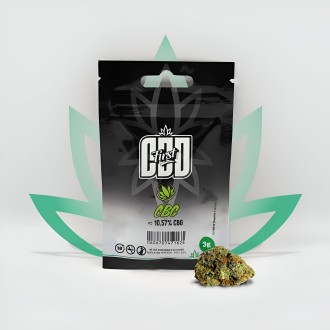
Cannabigerol (CBG) is one of the many cannabinoids found naturally in the cannabis plant. While it exists in smaller amounts compared to more well-known cannabinoids like CBD or THC, it plays a crucial role in the cannabis lifecycle as the precursor to these compounds. Often referred to as the “mother cannabinoid,” CBG transforms into other cannabinoids during the plant’s growth, making it foundational to the plant’s unique chemistry.
Unlike THC, CBG is non-psychoactive, meaning it won’t give you a “high” or alter your state of mind. This makes it an attractive option for individuals seeking wellness benefits without the psychotropic effects. Its therapeutic potential is gaining recognition, with studies suggesting it may have anti-inflammatory, neuroprotective, and antibacterial properties.
CBG is typically found in higher concentrations in young cannabis plants before it is converted into other cannabinoids. This makes harvesting CBG a time-sensitive and specialized process. Despite being less abundant in mature plants, innovations in cultivation and extraction techniques are making this cannabinoid more accessible than ever.
Producing CBG is an intricate process due to its natural scarcity in mature cannabis plants. Here’s a detailed look at how CBG is produced:
Because of the precision required, CBG products tend to be more expensive than their CBD counterparts, but their unique benefits often justify the investment.
While research on CBG is still in its early stages, preliminary studies and anecdotal evidence suggest a wide range of potential effects:
Although more research is needed, CBG shows promise as a versatile cannabinoid with significant therapeutic potential. Learn more about the benefits of CBG by visiting our dedicated CBG page.
CBG is available in various forms, offering flexibility in how it can be consumed. Here are the most popular methods:
To explore these options, check out our wide range of CBG products.
Regulations surrounding CBG are similar to those governing other cannabinoids, like CBD. Here’s a breakdown:
The legal landscape is constantly evolving, so it’s essential to stay informed. Explore our CBG products that comply with current laws.
Scientists are continually uncovering the potential of CBG through ongoing research. Areas of focus include:
The findings so far are promising, and future breakthroughs may unlock even more applications for this incredible cannabinoid.
With its anti-inflammatory, neuroprotective, and mood-enhancing properties, CBG is carving out a reputation as a game-changing cannabinoid. Whether you’re managing a specific condition or seeking to enhance overall wellness, CBG is a powerful tool in the cannabis arsenal.
Explore our CBG section for high-quality products, or dive deeper into related molecules like CBN in our molecules category.

Article L3513-5 of the Public Health Code: the sale of vaping products to minors is prohibited. The sale of CBD products is prohibited to minors in accordance with current regulations.