
 Anglais
  Français
Shopping Cart
What are terpenes?
Terpenes are a vast class of organic compounds produced by various plants, particularly conifers, as well as by some insects. These compounds are mainly responsible for the aromas and flavours of plants, and they play several essential roles in nature.
Structure and Types of Terpenes
Terpenes are made up of isoprene units, a five-carbon hydrocarbon. Depending on the number of isoprene units they contain, terpenes are classified into different categories: monoterpenes (C10H16) contain two isoprene units, sesquiterpenes (C15H24) contain three, diterpenes (C20H32) contain four, triterpenes (C30H48) contain six, tetraterpenes (C40H64) contain eight, and polyterpenes contain more than eight isoprene units.
Functions of Terpenes
Terpenes play several roles in nature. They protect plants against herbivores and pathogens by acting as repellents or toxins. They also attract pollinators thanks to their pleasant scents. In some insects, terpenes are used for chemical communication.
Human Uses of Terpenes
Humans have found many uses for terpenes. In the pharmaceutical field, some terpenes such as limonene and pinene have anti-inflammatory and antimicrobial properties, and are used for therapeutic purposes. In aromatherapy, terpenes are used for their relaxing or stimulating effects. In the food industry, they are used as flavours and fragrances. Finally, in cosmetics, terpenes are added to personal care products for their pleasant scent.
Terpenes and Cannabis
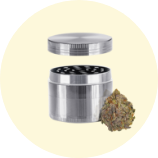
In cannabis, terpenes play a crucial role by influencing not only the smell and taste of the plant, but also its therapeutic and psychoactive effects. Each strain of cannabis has a unique terpene profile, contributing to its distinct characteristics. In short, terpenes are versatile and essential natural compounds, both for the plants that produce them and for the many human applications in various fields.