





 Anglais
  Français
Shopping Cart

What is PG in PG/VG?
Propylene glycol (PG) is one of the two main bases used in the manufacture of e-liquids for electronic cigarettes, the other being vegetable glycerin (VG). Here is a detailed overview of propylene glycol, its properties and its uses:
What is propylene glycol (PG)?
Propylene glycol is a colourless and odourless synthetic chemical compound, with a slightly sweet taste. It is widely used in many industries, including food, pharmaceuticals, cosmetics and, of course, e-liquids.
Properties of PG
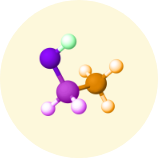
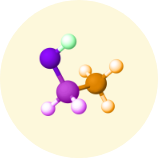
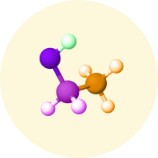
- Chemical formula: C3H8O2
- State: Colourless and odourless liquid
- Taste: Slightly sweet
- Solubility: Highly soluble in water and many organic solvents
- Hygroscopic: Easily absorbs water from the environment
Uses of PG
- Food industry: Used as an emulsifier, humectant and preservative. It is also present as a carrier for food flavourings.
- Pharmaceutical industry: Used as a carrier in many medicines, including injectable, oral and topical solutions.
- Cosmetic industry: Found in many beauty and personal care products, such as moisturisers, deodorants and lotions, for its moisturising and emollient properties.
- Electronic cigarettes: Used as a base for e-liquids in conjunction with vegetable glycerin (VG).
Properties of PG in e-liquids
- Throat hit: PG produces a more pronounced "throat hit" feeling, similar to that of traditional cigarettes. This is appreciated by former smokers transitioning to vaping.
- Carries flavours: PG is an excellent carrier of flavours, providing more accurate and intense taste reproduction in e-liquids.
- Vapour density: PG produces less dense vapour compared to vegetable glycerin (VG), but offers a smoother and more concentrated vaping experience in flavour.
- Liquid fluidity: PG is fluid and works well with low-resistance and standard atomisers, making it ideal for mouth-to-lung (MTL) vaping experiences.
Safety and tolerance
- Recognised safety: Propylene glycol is generally considered safe for consumption by regulatory authorities, including the United States Food and Drug Administration (FDA) and the European Food Safety Authority (EFSA).
- Allergies and intolerances: Although rare, some people may experience PG allergies or intolerances, resulting in symptoms such as throat irritation, dry mouth, or skin reactions. In these cases, it is advisable to opt for e-liquids with a higher VG ratio.
Comparison with vegetable glycerin (VG)
- PG vs VG:
- PG: More throat hit, accurate flavour reproduction, low vapour density.
- VG: Smoother throat hit, sweeter taste, higher vapour density.
- PG/VG ratio: E-liquids are often labelled with a PG/VG ratio, such as 50/50, 70/30, or 80/20, depending on the user's preference. A high PG ratio is preferred by those looking for an experience similar to traditional cigarettes, while a high VG ratio is favoured for vapour-rich vaping experiences.
Conclusion
Propylene glycol plays a crucial role in the composition of e-liquids for electronic cigarettes, providing benefits such as a pronounced throat hit and accurate flavour reproduction. Although generally safe, it is important to be aware of possible allergic reactions and to choose the PG/VG ratio that best suits your personal vaping preferences and your hardware. By understanding the properties and uses of PG, you can make informed choices to optimise your vaping experience.