





 Anglais
  Français
Shopping Cart
What is Nicotine?
Nicotine is a chemical compound found naturally in tobacco plants, primarily in the leaves. It is widely known for its presence in tobacco products such as cigarettes, cigars and chewing tobacco, but it is also used in nicotine replacement therapies (NRT) such as patches and gum. Here is a detailed overview of nicotine and its effects:
Chemical and physical properties
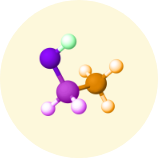
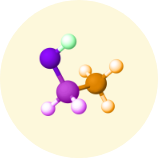
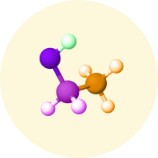
- Chemical formula: C10H14N2.
- State: Nicotine is a colourless to pale yellow liquid at room temperature, with a slightly fishy or tobacco-like smell.
- Solubility: Highly soluble in water and many organic solvents.
How nicotine works
Nicotine acts on the central nervous system and affects various physiological processes through its action on nicotinic acetylcholine receptors. Once inhaled, ingested or applied to the skin, nicotine reaches the brain in seconds where it binds to the receptors, releasing neurotransmitters such as dopamine, which produces pleasurable and addictive effects.
Effects of nicotine
- Stimulant effects: Nicotine acts as a stimulant on the central nervous system. It can improve alertness, concentration and mood.
- Relaxing effects: At higher doses, nicotine can have relaxing and anxiolytic effects.
- Cardiovascular effects: Increases heart rate, blood pressure and oxygen consumption by the heart. It can also cause peripheral vasoconstriction.
- Digestive effects: May reduce appetite and increase metabolic rate.
Risks and addiction
- Addiction: Nicotine is highly addictive. The release of dopamine creates a feeling of reward, encouraging users to repeat the behaviour.
- Health risks: Although nicotine itself is not the main cause of tobacco-related diseases, it contributes to nicotine addiction and is associated with risks of cardiovascular disease, respiratory problems and, in pregnant women, foetal development issues.
- Negative effects: Includes dizziness, nausea, headaches, increased blood pressure and cardiac arrhythmias, particularly in case of overdose.
Uses of nicotine
- Tobacco products: Cigarettes, cigars, pipes, chewing tobacco.
- Smoking cessation aids: Patches, chewing gums, lozenges, inhalers and oral sprays, which provide controlled doses of nicotine to help reduce withdrawal symptoms.
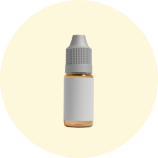
- Electronic cigarettes: They use e-liquids that may contain different levels of nicotine. They are often used as a smoking cessation aid or as an alternative to tobacco cigarettes.
Regulation and safety
The regulation of nicotine varies from country to country. In many places, tobacco and nicotine-related products are subject to strict regulations, including age restrictions, taxes and rules on advertising and packaging.
Research on nicotine
Research on nicotine is broad and includes studies of its psychoactive effects, its medicinal applications, its role in addiction and possible therapeutic uses for cognitive disorders. Some studies are also exploring the potential effects of nicotine on neurodegenerative diseases such as Parkinson's and Alzheimer's.
In summary
Nicotine is a powerful and complex chemical compound, with significant effects on the human body and a high potential for addiction. While it has uses in smoking cessation and presents potential therapeutic interest, it is also associated with various health risks. Understanding nicotine and its effects is crucial for making informed decisions about its use, whether in tobacco products, e-cigarettes or smoking cessation aids.