
 Anglais
  Français
Shopping Cart
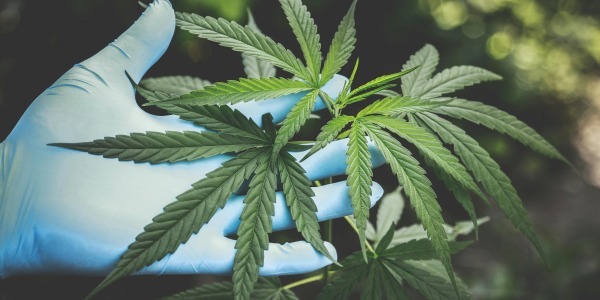
CBD is produced from cannabis (or hemp) plants. These plants have traversed the ages to reach where they are now. Indeed, hemp was discovered in Central Asia over ten thousand years ago. This plant has evolved over time and through human use. Originally, it was mainly known for its strong fibers and as a source of food. It was only from the 20th century that humans discovered its benefits. Nowadays, botanically, humans distinguish 3 main types of cannabis plants: Sativa, Indica, Ruderalis.
Cannabis "Sativa" is a plant of the Cannabaceae family, recognized for its medical, recreational, and industrial uses. It appears as an annual herbaceous plant with long stems and thin, long leaves composed of several serrated leaflets. The plants can reach several meters in height, with branches growing along the main stem. The flowers, grouped in dense clusters, are generally green but can show shades of purple or red, covered with trichomes containing cannabinoids and terpenes. Chemically, cannabis "Sativa" contains over a hundred active compounds, notably cannabinoids such as THC and CBD, as well as terpenes. THC is the psychoactive compound responsible for euphoric effects, while CBD is known for its medicinal and non-psychoactive properties. The uses of cannabis "Sativa" are varied: in medicine, it is used to treat chronic pain, nausea, sleep disorders, and it also shows potential in treating epilepsy, anxiety, and depression. For recreational purposes, it is consumed for its psychoactive effects, inducing a sense of well-being and relaxation. Industrially, some varieties are cultivated for their fibers used in the production of textiles, ropes, paper, and for their seeds, which are a source of protein and edible oil.
Cannabis "Indica," another variety of the cannabis plant, is distinguished by its physical characteristics and distinct effects. In a more compact and robust form than its "Sativa" counterpart, "Indica" has broader and darker leaves, with shorter stems and dense, resinous flower clusters. Its color shades are generally dark green, with some specimens having leaves that are almost blue or green turning black. Chemically, cannabis "Indica" shares many compounds with "Sativa," but the proportions and ratios can differ, leading to different effects. "Indica" is often associated with higher levels of CBD, which can induce more relaxing and sedative effects than its counterpart. Its aromas and flavors are also distinct, often characterized by earthy, spicy, and musky notes. Medicinally, cannabis "Indica" is often used to relieve pain, reduce anxiety, and promote sleep due to its relaxing and analgesic effects. For recreational use, it is often chosen for its relaxing and calming effects, ideal for evening relaxation.
Cannabis "Ruderalis" is a lesser-known variety of the cannabis plant, yet it is fascinating. Originating from the northern regions of Europe and Asia, this subspecies is distinguished by its resilience and ability to adapt to harsh climatic conditions. Physically, cannabis "Ruderalis" is often smaller than its cousins "Sativa" and "Indica," with thin stems and leaves with three lobes. What makes cannabis "Ruderalis" particularly interesting is its ability to flower based on time rather than the light cycle. This characteristic, called auto-flowering, means that "Ruderalis" plants begin to flower automatically after a certain number of weeks, regardless of the day length. This makes it an attractive choice for growers seeking quick and easy harvests. Although cannabis "Ruderalis" generally contains lower levels of THC and CBD than its "Sativa" and "Indica" counterparts, it is sometimes crossed with other varieties to create hybrids with auto-flowering characteristics. These hybrids can be used for recreational, medicinal, or industrial purposes, offering a wide range of effect profiles and flavors.